December 12, 2023
Two-Pass Review: Facts First, Voice Second
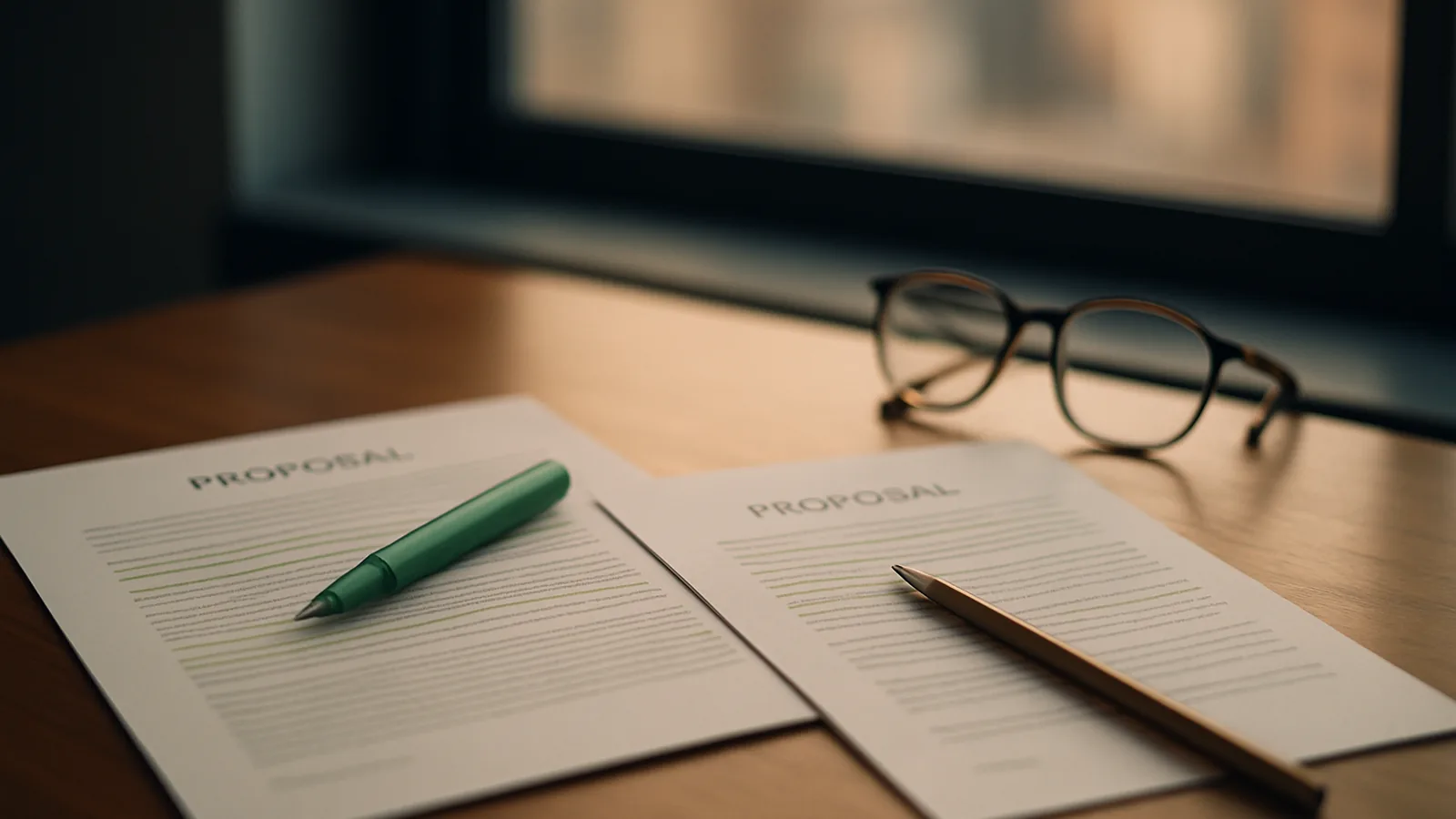
When one reader is asked to check accuracy and improve the writing at once, they usually do the second and skim the first. Splitting the review into two passes gives each job a proper hearing.
Why one pass fails
Wording problems are visible and satisfying to fix. Factual problems are quiet: a wrong date, a stale team title, a fee that does not match the scope. Readers drawn to the first kind tend to miss the second.
The problem gets worse as documents grow. A forty-page proposal has hundreds of small facts, and no reader can hold them all in mind while judging the argument. Splitting the work is the only reliable way to cover both, and it is cheaper than fixing a mistake after submission.
Pass one: facts only
The first reviewer checks every claim that can be checked. Names, titles, credentials, dates, numbers, references and the match between scope and fee. They do not touch style. Anything they cannot verify is marked, not guessed at.
Give the fact checker a source for each claim: the engagement record, the staff profile, the fee schedule. Where a claim has no source, the writer either finds one or removes it. This one rule, applied consistently, removes most embarrassing errors.
Pass two: voice and argument
Once the facts are settled, a second reader looks at whether the proposal answers the client's question, in a tone that sounds like the firm. This is where a senior colleague adds the most value, and it works better when they are not distracted by errors.
The second reader should also try to summarize the proposal in two sentences after reading it. If they cannot, the argument is unclear, and no amount of polish will fix it. This test is quick and reveals structural problems that line edits do not.
Where drafting tools fit
If an AI-assisted tool produced part of the draft, treat its output like any other unverified source. Pass one applies to it in full. Tools can produce fluent text that contains details nobody supplied, so every specific claim needs a source a person can point to.
Ask the reviewer to look for claims that are too neat. Round numbers, unusually specific results and perfectly matching phrases can be signs of invented detail. When in doubt, ask the author where it came from, and accept only an answer that points to a real record.
Keep a record of what was checked
A short log with the reviewer's name, the pass, and the date is enough. It shows which sections were checked and stops the two passes from collapsing into one when a deadline is close.
Store the log with the proposal, so the next team can see which sections tend to need more checking. Over a few months, the pattern shows where your library is weak and where writers need better source material or clearer guidance.
Protect the partner's time
Partners should usually see the document after pass one is done, so their time goes to judgement. Where a partner must sign off, the log shows exactly what they are signing off on.
Finally, decide what happens when a reviewer and a partner disagree. A clear rule, for example that accuracy issues always win, avoids arguments near the deadline. Write the rule down once and it will save many conversations.
A simple way to start
Try the two-pass method on your next proposal without changing anything else. Ask one person to do the facts pass with a printed copy and a pen, and a different person to do the voice pass a day later. Note how many factual corrections turned up in the first pass.
If the number is more than a handful, you have your answer about whether one pass was enough. If it is zero, the method costs little and you have lost nothing. Either way, the team will have seen the value directly.
Key takeaways
- Check facts and voice in separate passes.
- Treat drafted text from any source as unverified until checked.
- Mark what cannot be verified instead of guessing.
- Keep a short review log so sign-off means something.
Questions, answered
What is the short answer on Two-Pass Review: Facts First, Voice Second?
Reviewers who fix wording and check facts in the same read miss both. A two-pass approach to proposal review that keeps partners' time short and errors low.
What are the key takeaways?
Check facts and voice in separate passes. Treat drafted text from any source as unverified until checked. Mark what cannot be verified instead of guessing. Keep a short review log so sign-off means something.
How does VIPMarketing approach agents & approval?
In VIPMarketing, outreach lands as drafts in your own inbox or LinkedIn and proposals need a named approver's sign-off. Nothing is sent without a person approving it.